
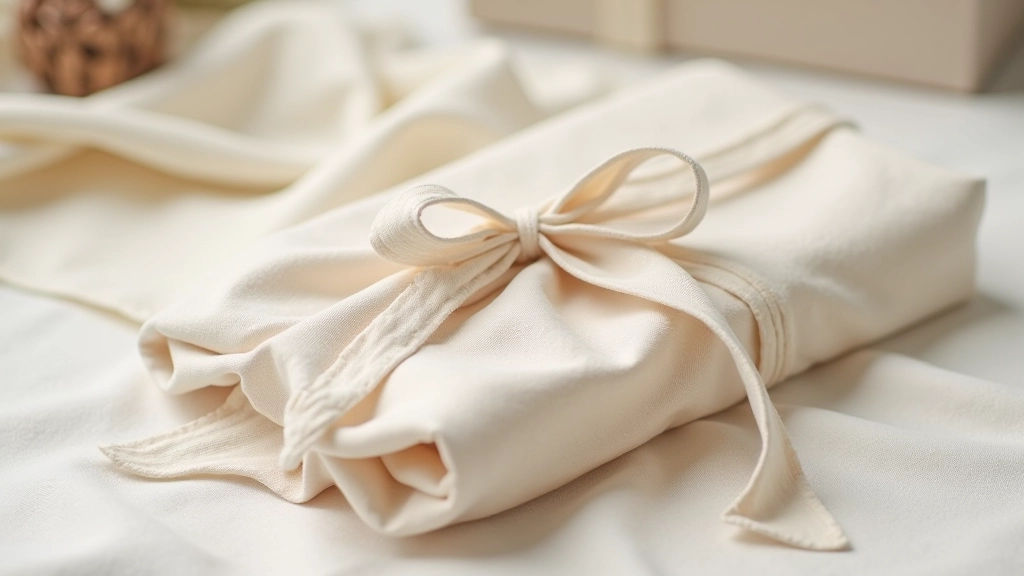
Why Linen Wrapping Actually Works Better
Linen breathes, doesn't tear easily, and looks elegant every time. Here's what makes it the right choice.
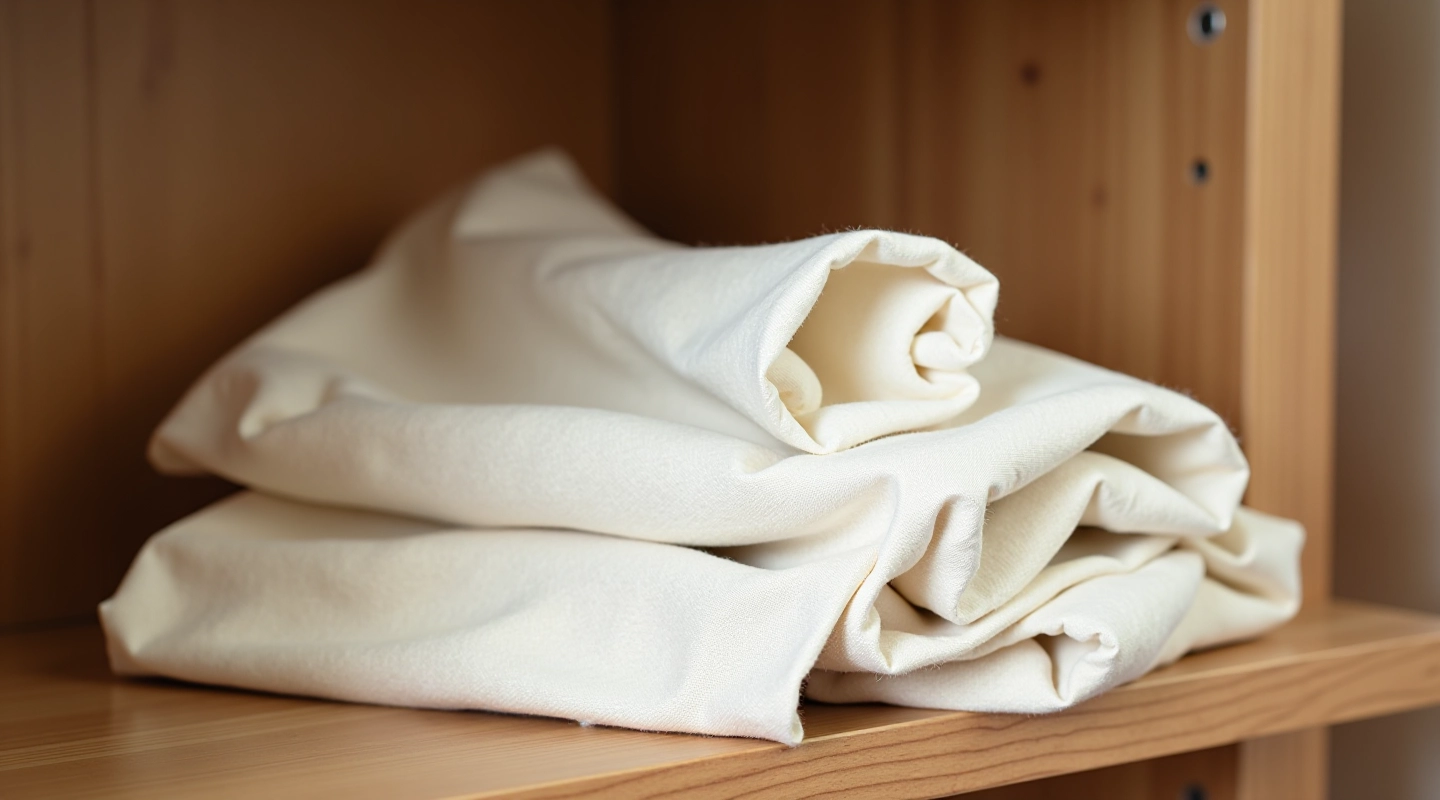
Linen's reusability is its strength. Basic storage tips keep your wraps looking fresh and ready for the next occasion, year after year.

You've wrapped gifts beautifully with linen, and now you're wondering what comes next. Don't toss those wraps after one use. That's the whole point — they're meant to be rewrapped, reused, and enjoyed for years. But linen does need a bit of attention between uses if you want it to stay in good shape.
The good news? It's not complicated. We're talking about basic storage, gentle cleaning when needed, and understanding how linen behaves. A few simple habits will keep your collection ready whenever you need it.
Where you keep your linen wraps is just as important as how. Temperature, humidity, and light all play a role. Store them somewhere cool and dry — a closet, drawer, or shelf works perfectly. You want to avoid damp basements or humid bathrooms. Linen can absorb moisture, which can lead to mildew or musty smells.
Fold them loosely or roll them if you prefer. Don't crease them into tiny squares and leave them that way for months. Tight creases can become permanent. Instead, give them a gentle fold, maybe around a tissue roll or loosely in a stack. This keeps them accessible without creating stubborn wrinkles.
Keep them away from direct sunlight. Prolonged UV exposure will fade natural dyes over time. A drawer or closed shelf is ideal. If you display them, make sure it's somewhere with indirect light.
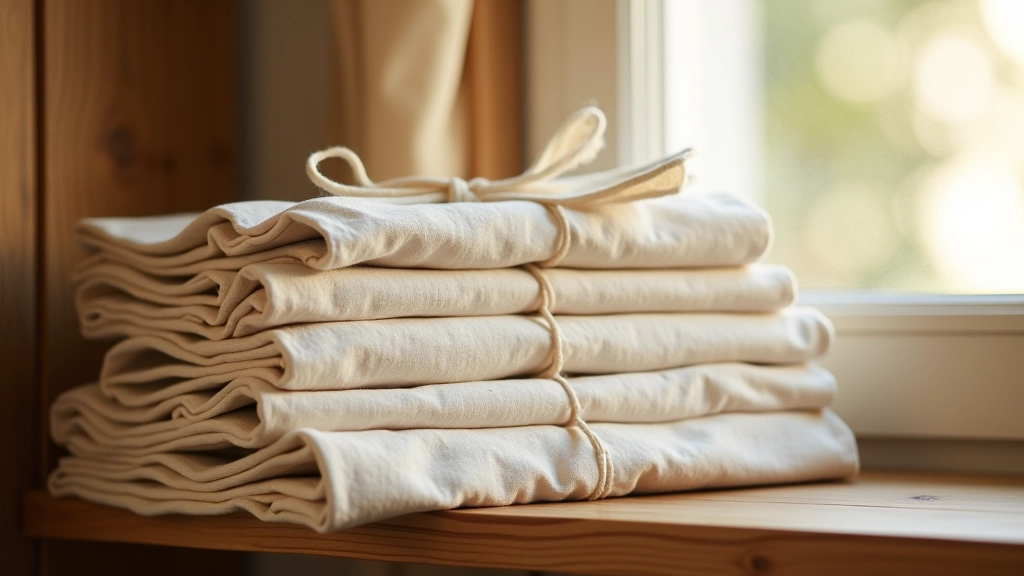
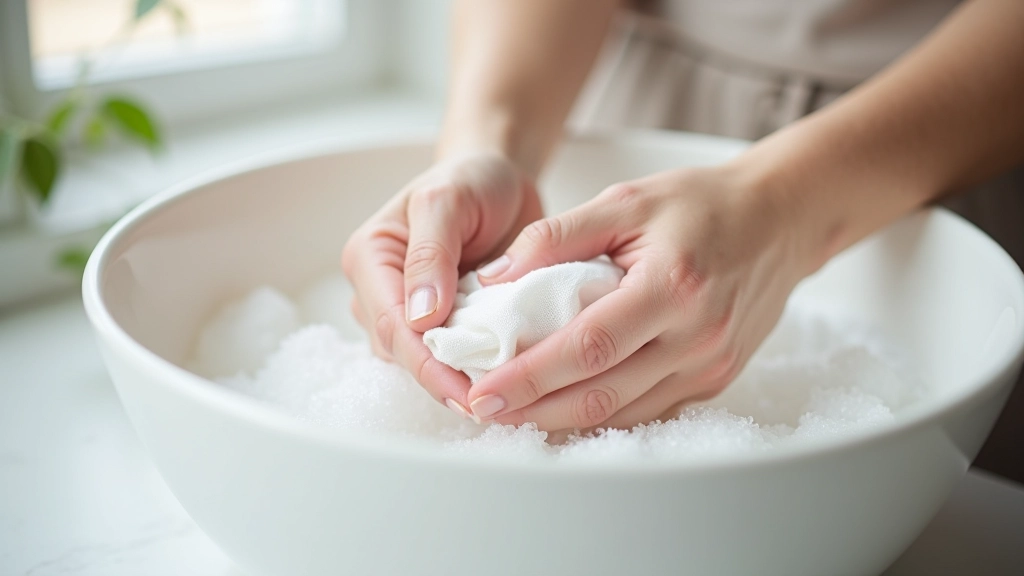
Most of the time, your linen wraps don't need washing. A quick shake or gentle wipe is enough. But if they pick up dust, wrinkles, or the occasional stain, here's what works.
For light cleaning, hand wash in cool water with mild soap. Use cool water — warm water can set stains and fade natural dyes faster. Be gentle. Don't scrub hard or wring them out. Just let them soak for a few minutes, gently swish the water around, and rinse thoroughly. Squeeze out excess water (don't twist), then lay flat or hang to dry.
For stubborn stains, let them sit in cool soapy water for longer — 15-30 minutes. Sometimes that's all it takes. If you're dealing with something sticky, a tiny bit of white vinegar in the rinse can help.
Skip the dryer completely. Heat damages linen and can set stains permanently. Air drying is the only way to go. Lay them flat on a clean surface or hang them loosely. They'll dry faster than you'd expect, usually within a few hours.
Wrinkles in linen are actually part of its charm. You don't need to iron them away. But if you want a crisper look for gift-giving, a quick iron on medium heat with a damp cloth underneath works. Don't use high heat — linen is forgiving, but extreme heat can weaken the fibers over time.
Wrinkles happen. They're not a problem. But pilling (those little fuzzy balls) can occur, especially if your linen is thinner. You can gently remove pills with a soft brush or a fabric shaver on the lowest setting. Don't overdo it — a light touch is all you need.
Odors can develop if linen sits damp too long. Prevention is simple: always dry them completely before storing. If you do notice a musty smell, hang them in fresh air for a day or two. Sunlight actually helps kill odor-causing bacteria, so this is one time a few hours of light exposure is helpful.
Moth damage is rare with linen, but if you're storing long-term, a cedar block or lavender sachet in the drawer costs nothing and works well. They add a nice scent too.
Editorial Note: This guide is intended as practical information for caring for linen wraps. Individual results may vary based on fabric quality, dye methods, and storage conditions. For specialized fabrics or valuable pieces, always test cleaning methods on a small, inconspicuous area first.
Good linen wraps can last a decade or more with minimal care. The key is treating them with respect — not too much fussing, but not neglecting them either. Store them cool and dry, wash gently when needed, and let them air dry completely. That's really it.
Your wraps will develop character over time. Slight color variations, gentle fading, small imperfections — these aren't flaws. They're signs that your linen has been used, loved, and cared for. And that's exactly what handmade linen is designed for.
Linen breathes, doesn't tear easily, and looks elegant every time. Here's what makes it the right choice.
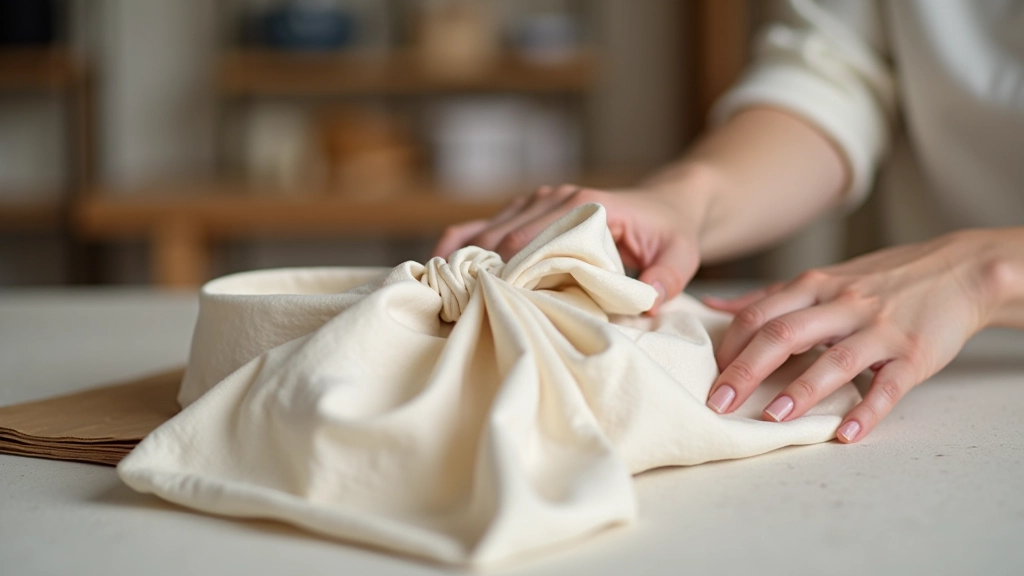
Simple techniques that don't require tape or special tools. Each method takes about a minute.
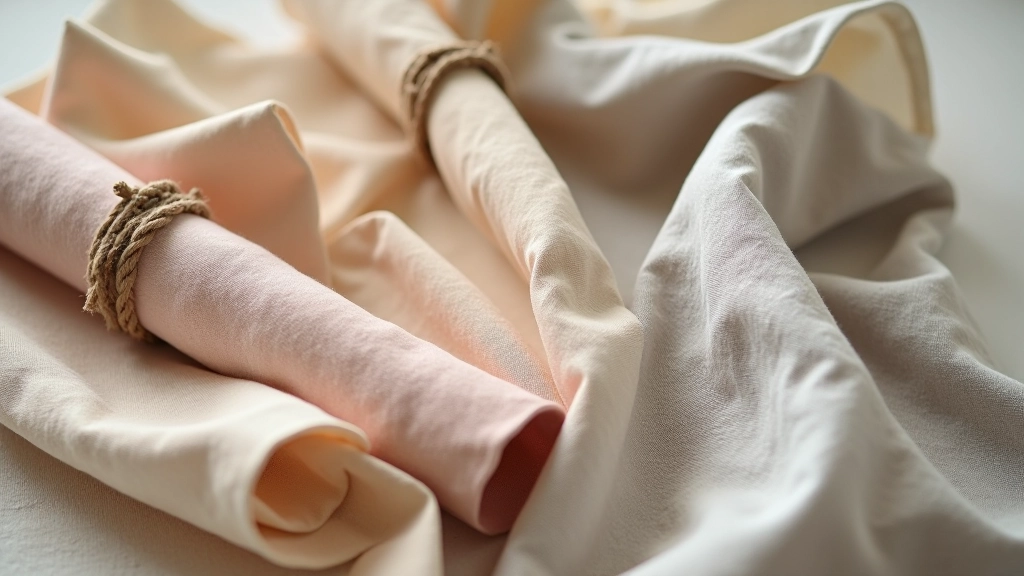
Combining different linen weights and natural dyes creates depth. We walk through what actually works.