
Why These Folding Methods Work
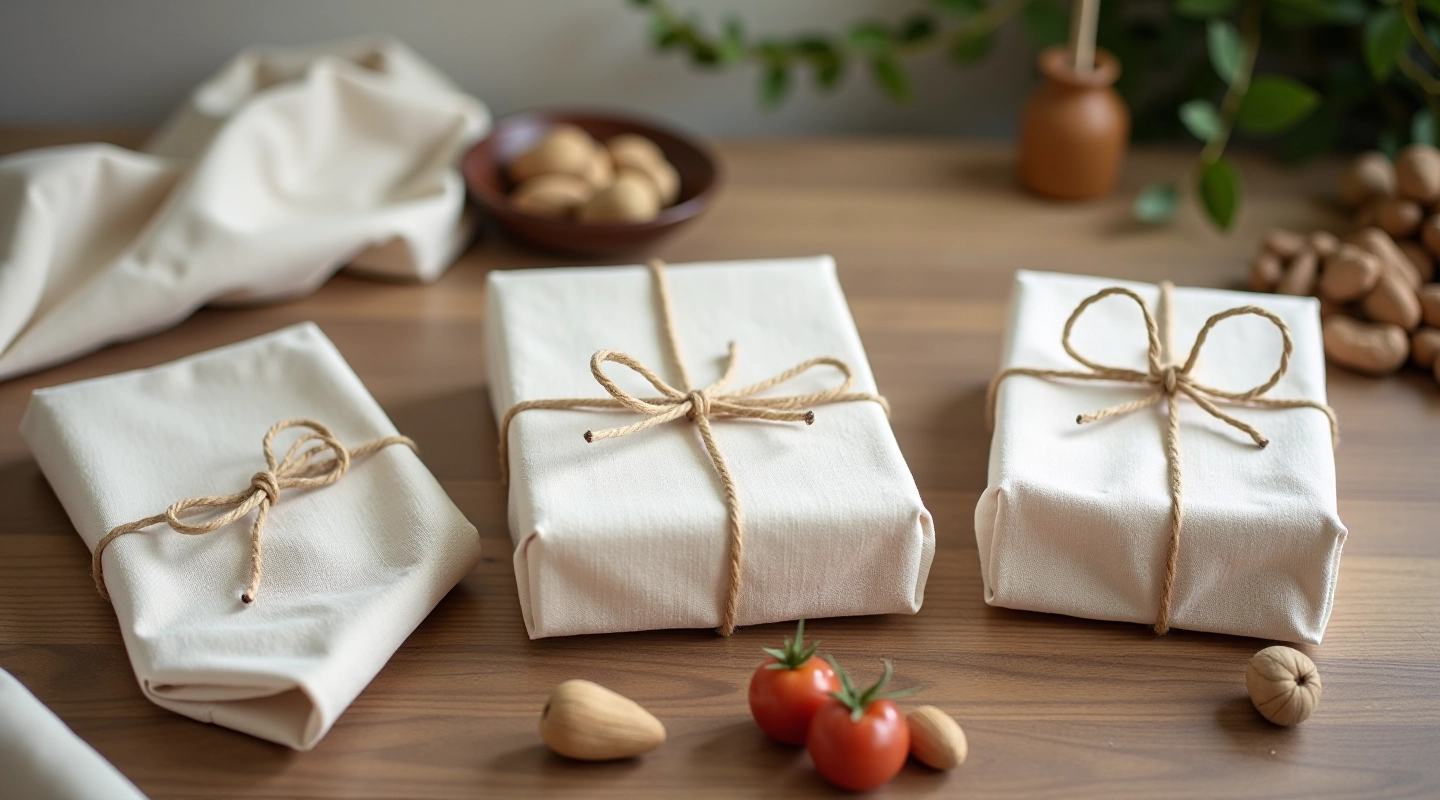
Linen wraps have been used for centuries to present gifts. They're practical, beautiful, and reusable — which makes them stand out from paper. The best part? You don't need tape, scissors, or anything fancy to fold them properly. Each of the three techniques we'll cover here works best for different box shapes and sizes.
The Square Wrap Method
This is the most straightforward approach. It's ideal for square or cube-shaped boxes. Here's how it works: place your box in the center of the linen wrap, about 45 degrees rotated so the corners of the fabric point toward the cardinal directions.
Bring the bottom corner of the wrap up and over the box. Fold it down neatly along the top. Then take the left corner and fold it over, tucking it under slightly. The right corner goes next — fold it over and tuck under the left corner's edge. Finally, fold the top corner down and secure everything by tying the two side points together with a simple knot or bow.
This method typically takes about 90 seconds once you get the hang of it. The fabric should be snug but not tight — you want it to hold the shape without creasing the linen too much.
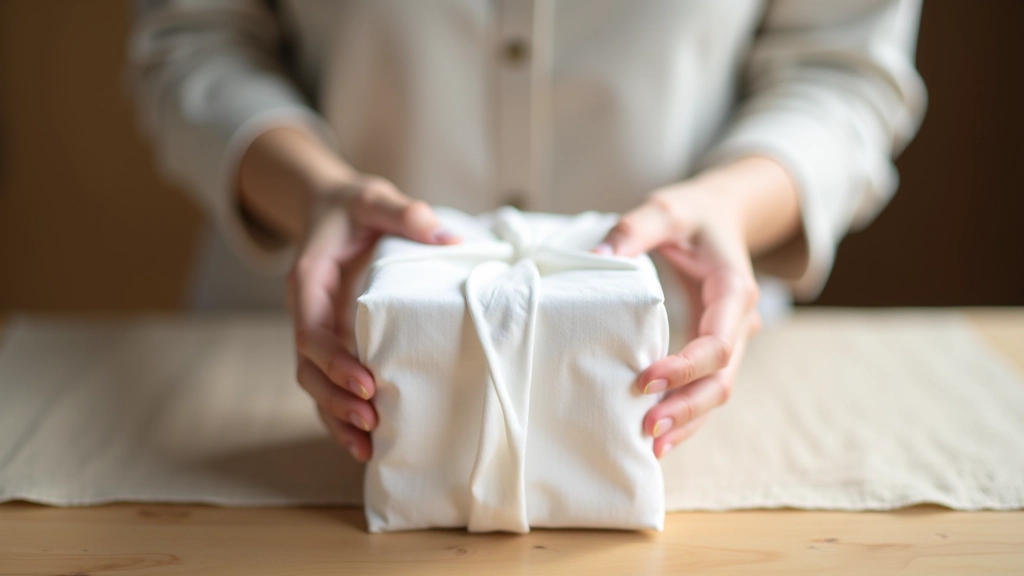

The Rectangular Wrap Method
For elongated boxes — think shoe boxes or jewelry cases — this method is more efficient. Place the box lengthwise on the linen, closer to one edge than the center.
Roll the box toward the far edge of the fabric, wrapping it tightly but gently. When the box is fully wrapped, fold the excess fabric at both ends. It's like wrapping a burrito. Fold one end corner down, then the side corners in, then fold the final corner over everything. Secure with a knot using the fabric's natural folds.
This method works well because the fabric naturally creates a cylinder shape around the box. Most people find it takes about 2 minutes, especially when they're first learning. The key is not rushing the fold — smooth, deliberate movements look better than quick ones.
Pro Tip: Choose Your Wrap Size
A good rule of thumb is to select a wrap that's about 1.5 times the length and width of your box. Too small and you'll struggle to overlap the corners. Too large and you'll have excess fabric that's hard to manage. For a standard 6-inch cube, a 27-inch square wrap works perfectly.
The Diagonal Bundle Method
This technique creates a more decorative presentation. It's perfect when you want the wrap to look like an elegant bundle. Place your box in the center of the linen, rotated so corners point diagonally.
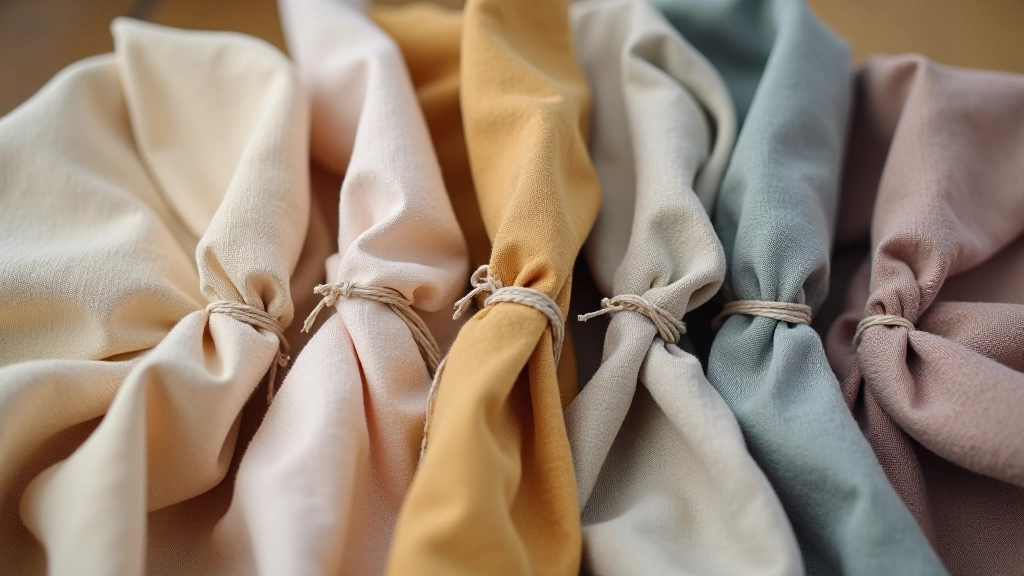
Bring all four corners up and gather them at the top of the box. Don't fold them down — instead, let them stay up and bunch together naturally. You can tie them with twine, ribbon, or even another piece of linen to create a decorative knot. This method is actually the fastest of the three — most people finish in about 75 seconds because there's less precise folding involved.
The visual appeal of this method is the main draw. The gathered corners at the top create movement and texture. It works especially well with natural linen in neutral colors or with dyed linens that have interesting color variations.
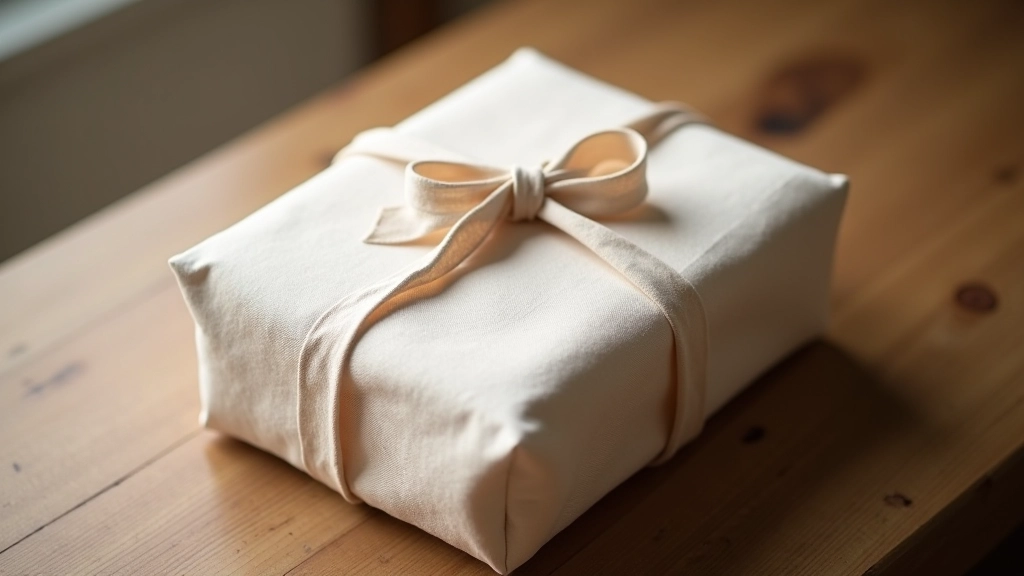
Tips for Success Every Time
A few practical details make the difference between a wrap that looks polished and one that looks rushed. First, work on a clean, flat surface. A dining table or kitchen counter is ideal. Second, make sure your hands are clean and dry — linen shows fingerprints and water marks.
Crease Deliberately
When you fold a corner down, use the side of your hand to create a clean line. Don't press so hard that you damage the linen, but do make the crease visible. It shows intentionality.
Tension Matters
The wrap should be snug enough to hold its shape but loose enough that you're not stretching the fabric. If you feel resistance, you're pulling too hard. Adjust and try again.
Practice One Method First
Learn the square wrap method first — it's the most forgiving. Once you can do that smoothly, move to the others. Each one builds on skills from the previous method.
Use Natural Tie Options
Twine, jute, or even a thin strip of the same linen work beautifully. Avoid tape or stickers — they're the opposite of the sustainable ethos that makes linen wraps special.

Storing Your Wrapped Gifts
Once you've wrapped a gift, you might need to store it for a bit. Linen wraps are forgiving in this regard. Store the wrapped box in a cool, dry place — a closet shelf works fine. If the wrap gets slightly wrinkled during storage, that's not a problem. Linen naturally develops a lived-in look that actually adds character.
If you want to refresh the appearance, a quick steam or light ironing on low heat brings back smoothness. Never use high heat on linen — it can damage the fibers. The beauty of these wrapping methods is that they don't rely on perfection. Slight imperfections in the fold are actually part of the handmade charm.
About This Guide
This guide shares practical techniques for folding linen wraps based on common methods used in gift wrapping and sustainable packaging. Results depend on your wrap size, box shape, and personal technique. We recommend testing each method on a practice box before wrapping your final gift. Linen is forgiving, and mistakes are easy to undo and retry.
Getting Started Today
The three methods we've covered work for almost any box you'll encounter. The square wrap is your foundation. Once you master that, the rectangular and diagonal methods feel natural. What's most important is that you're using a reusable, beautiful alternative to paper and tape.
Each wrap can be used dozens of times over years. The more you fold them, the better you become at it. That's the real value — not just in the initial gift presentation, but in building a sustainable practice that you'll return to again and again.