
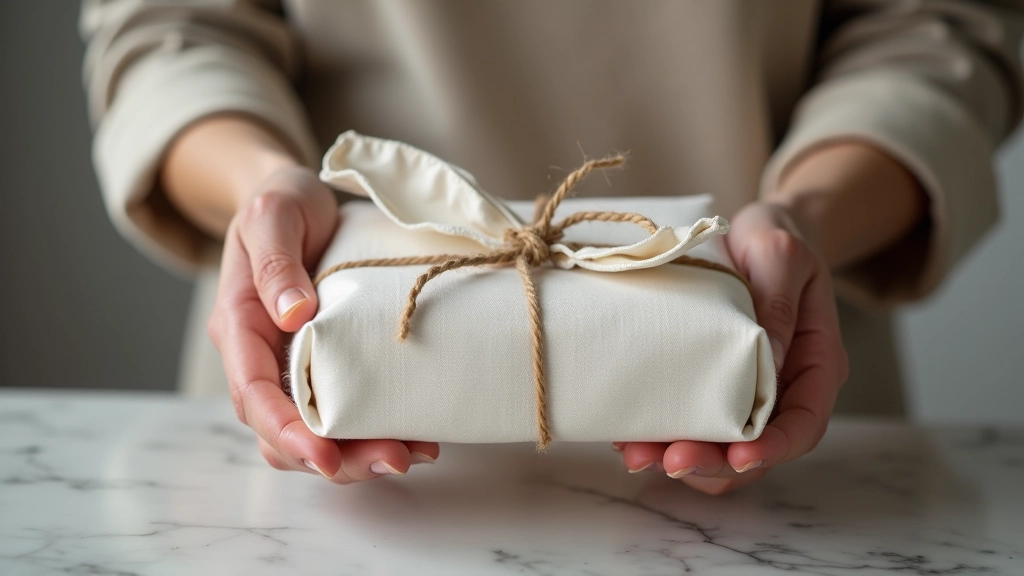
Three Ways to Fold a Linen Wrap
Simple techniques that don't require tape or special tools. Each method takes about two minutes to master.
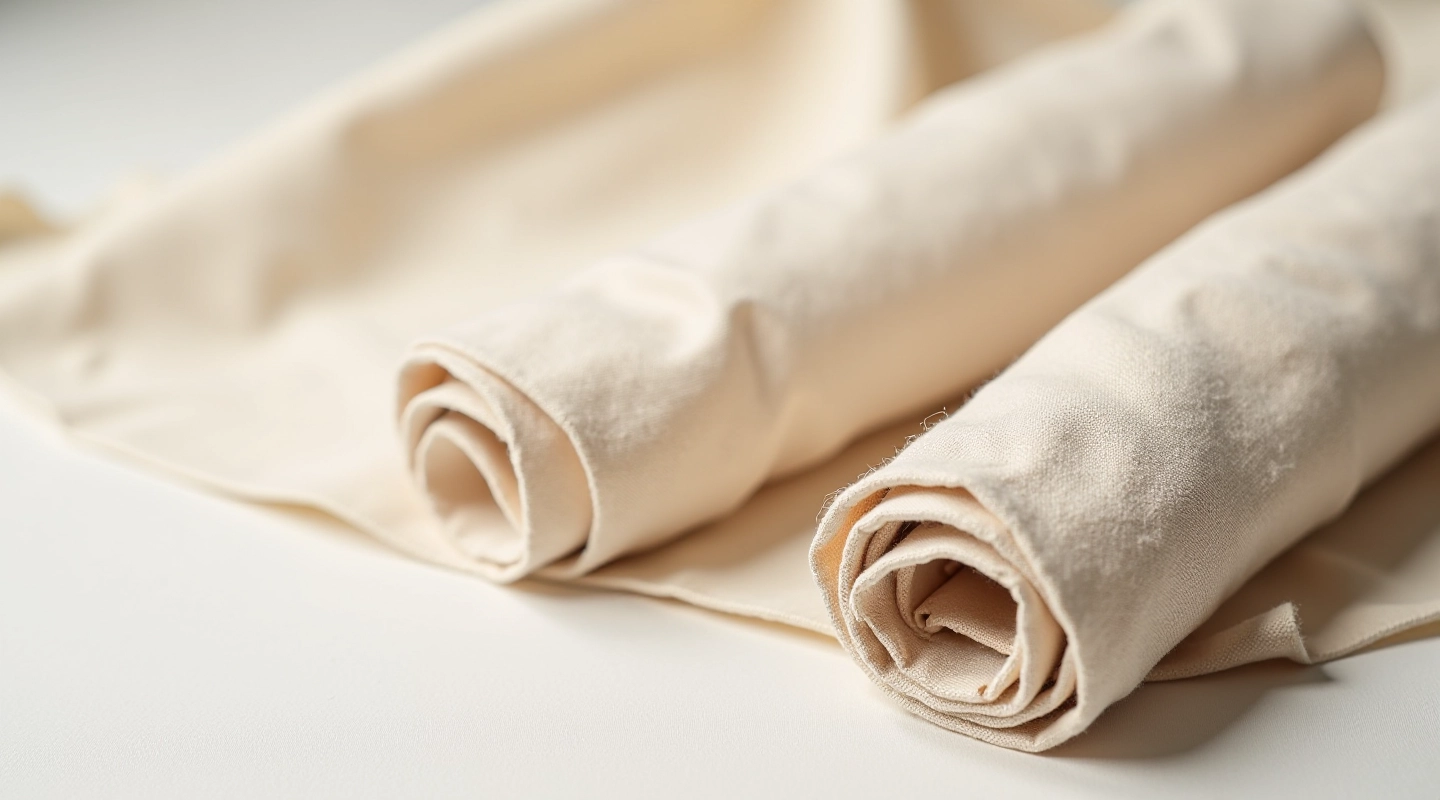
Linen breathes, doesn't tear easily, and looks elegant every time. Here's what makes it different from paper and plastic alternatives.

Paper wrapping looks nice for about five minutes. Then it crumples, tears at the edges, and honestly, it feels cheap. Plastic alternatives aren't much better — they're slippery, they don't fold well, and they end up in landfills after a single use. Linen sits in a completely different category. It's a natural fiber that breathes, adapts to whatever shape you're wrapping, and gets softer the more you use it.
The key difference is in the fabric itself. Linen comes from the flax plant and has been used for wrapping and storage for thousands of years. It's not delicate like tissue paper, and it's not flimsy like most synthetics. A piece of quality linen can handle being folded, unfolded, and refolded dozens of times without showing wear. That durability is the whole point — you're not throwing it away after the gift is unwrapped.
Paper and plastic don't let air move through them. That matters more than you'd think. If you're wrapping something that needs to breathe — like fresh bread, certain gifts that'll sit for a while, or anything that's sensitive to moisture — linen works with the material instead of against it. The weave is loose enough that air circulates naturally.
This is why linen wraps have been used in traditional food storage and gift presentation for generations. They're not just pretty to look at. They actually protect what's inside better than most people realize. The fabric creates a gentle barrier without trapping humidity, which prevents that musty smell you get when things are wrapped too tightly in plastic.
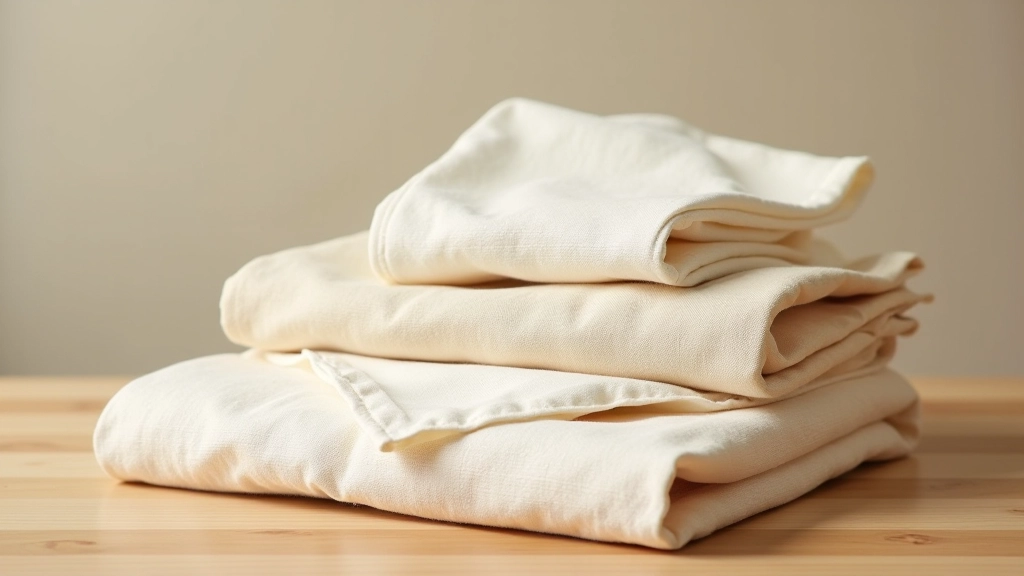
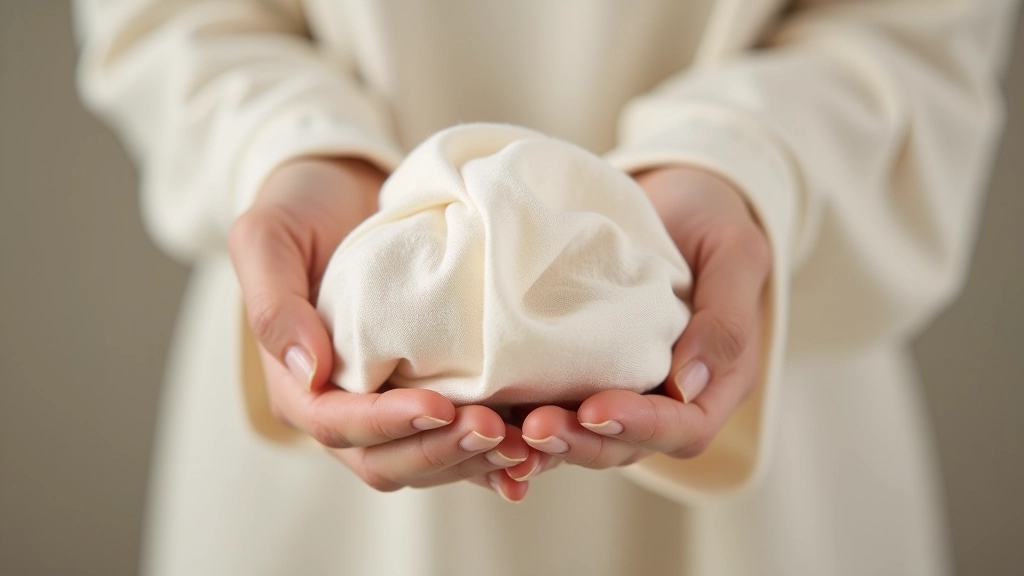
Here's something most people don't consider: paper gets weaker when it's reused. The fibers break down, the creases become permanent weak points, and eventually it tears. Linen does the opposite. The more you fold it, wash it, and use it, the softer it becomes. The fibers actually relax and become more pliable.
A quality linen wrap can last for years of regular use. We're talking 20-30 uses minimum, often much more depending on how thick the fabric is and how carefully you handle it. Some pieces from our collections have been in families for a decade. They've developed a natural patina and gotten better with age. That's not marketing speak — it's just what happens when you use natural fiber consistently.
The Real Difference: Linen doesn't shed fibers like paper does. When you unwrap a gift from paper, there are usually tiny white fibers stuck to the gift. Linen wraps are clean and don't leave any residue. This matters more if you're wrapping food or delicate items.
Linen looks good immediately, but it looks even better after it's been used. The natural color deepens slightly. If you've dyed the linen with plant-based dyes — which is how traditional production works — the color becomes richer and more complex over time. It's not fading in the bad way. It's developing character.
Compare that to wrapping paper. Brand new paper is crisp and bright. By day two, it's looking rumpled and worn. Linen ages gracefully. The wrinkles aren't damage — they're evidence that someone cared enough to reuse it. That's a completely different aesthetic story.
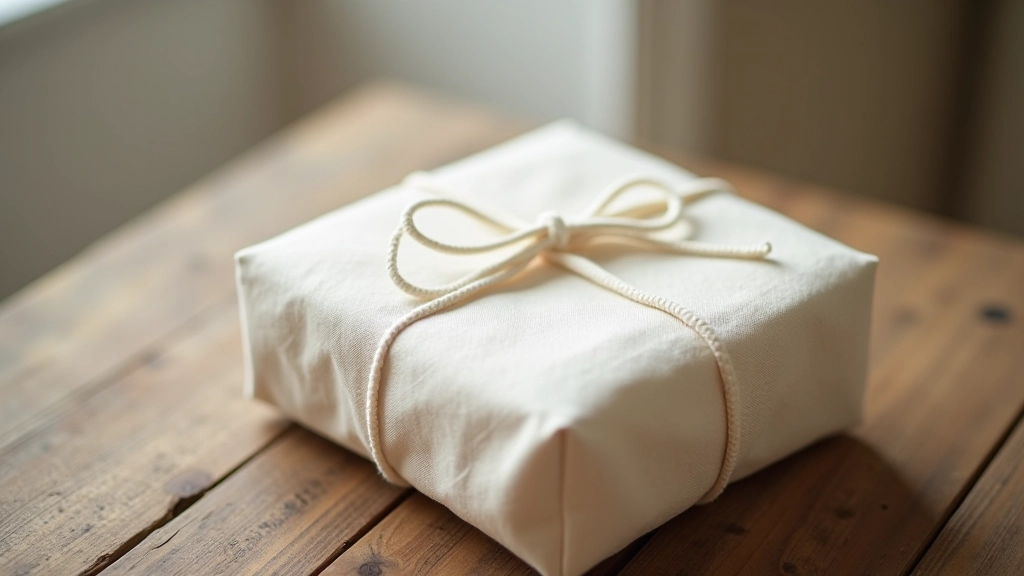
If you've ever tried wrapping something awkward-shaped with paper, you know the frustration. Paper doesn't stretch. It tears if you pull it too tight. Linen is forgiving. You can wrap irregular shapes, tie it with twine, fold it around corners, and the fabric adapts. It doesn't need tape if you fold it properly — the weight and friction of the linen itself holds everything together.
Cleaning and storing linen wraps is straightforward. A gentle hand wash in cool water keeps them looking fresh. You don't need special products. Once they're dry, they fold small and take up almost no space. This is why people who use linen wraps regularly end up with a growing collection — they're genuinely useful, not just decorative.
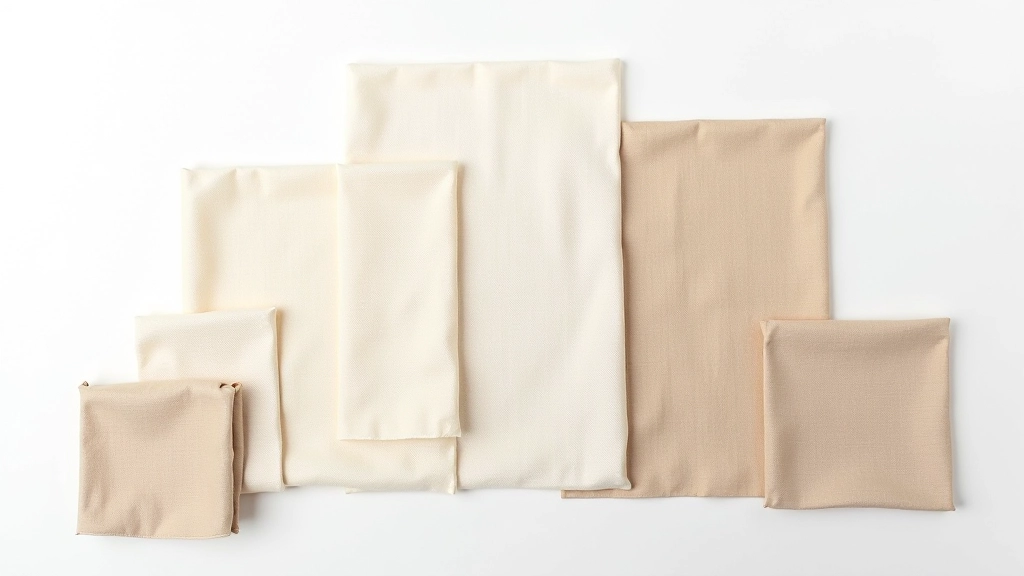
We could talk about carbon footprints and sustainable sourcing — and those things do matter — but the simplest environmental argument for linen is reusability. Paper gets used once. Plastic wrapping gets used once. Linen gets used 20, 30, 50 times. The math is straightforward. Even if the initial production of linen takes more resources, the fact that you're not buying new wrapping material every month more than makes up for it.
At the end of linen's life — which takes decades of actual use — it's fully biodegradable. It breaks down in soil within weeks. Compare that to plastic, which sits in landfills for centuries. Linen wrapping isn't trendy sustainability theater. It's practical, honest, and actually reduces waste.
This article provides educational information about linen as a wrapping material based on traditional use and material properties. Actual durability, appearance, and performance depend on fabric quality, weight, weave, and how you care for the wraps. Results vary based on individual use, storage conditions, and washing methods. This guide is informational — we're sharing practical knowledge about a material that's been used for thousands of years.
Linen wrapping works better than paper or plastic for one fundamental reason: it's designed for reuse. It's not a single-use product pretending to be sustainable. It's a material that improves with use, doesn't require special storage, and actually does a better job of protecting what's inside. It looks good from day one and looks better over time.
If you're looking for a wrapping solution that's practical, beautiful, and genuinely sustainable, linen isn't a trendy alternative. It's just a better choice. Start with one wrap in a size that fits the gifts you usually give. Once you experience how well it works, you'll understand why people have been using linen for wrapping for so long.
Simple techniques that don't require tape or special tools. Each method takes about two minutes to master.
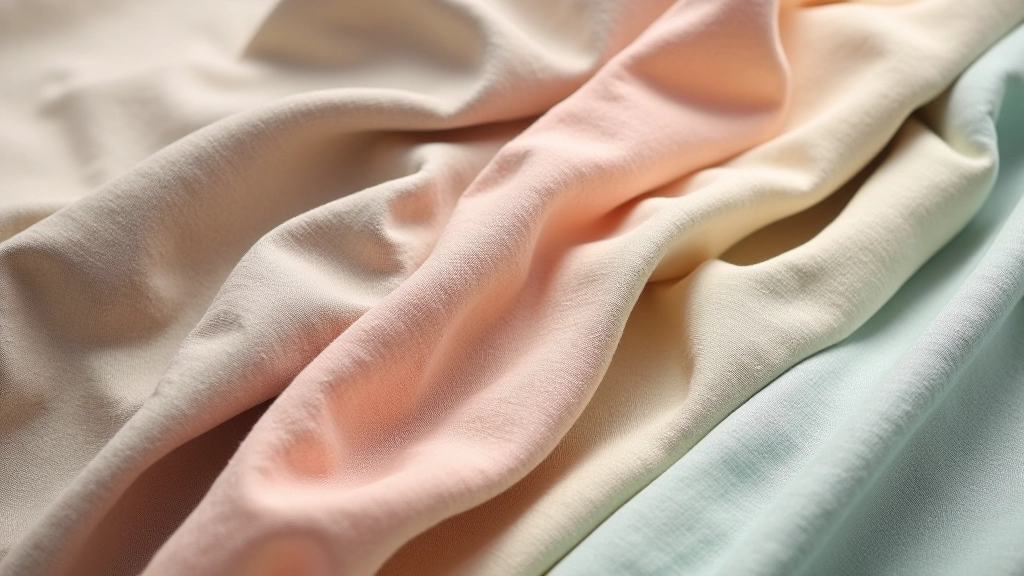
Combining different linen weights and natural dyes creates depth. We walk through practical pairing examples.
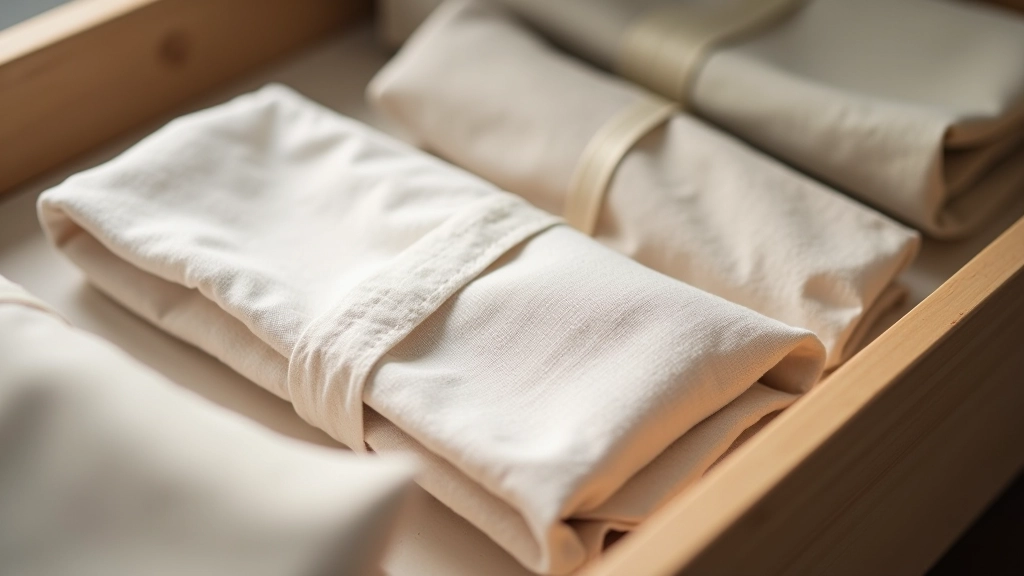
Linen's reusability is its strength. Basic storage tips keep your wraps looking fresh for years.